Winter Circle Embroidery Elegance: A Designer's Review for Small Business Merch
As an experienced embroidery designer who has spent years refining digital files for commercial use, I approach every new asset with a critical eye. When evaluating Winter Circle Embroidery Elegance, my primary focus is not just on how it looks on a screen, but how it translates into a tangible, high-quality finished product for small business owners and brand creators. This review breaks down the potential of this design when applied to branded patches, staff uniforms, and custom apparel.
First Impressions: The Visual Personality of Winter Circle Embroidery Elegance
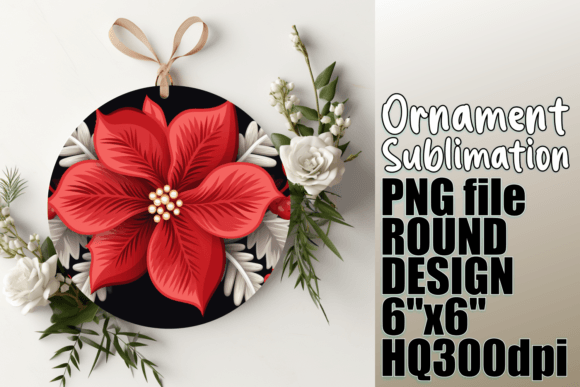
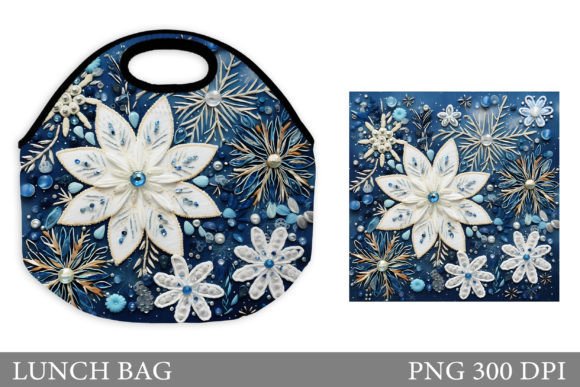
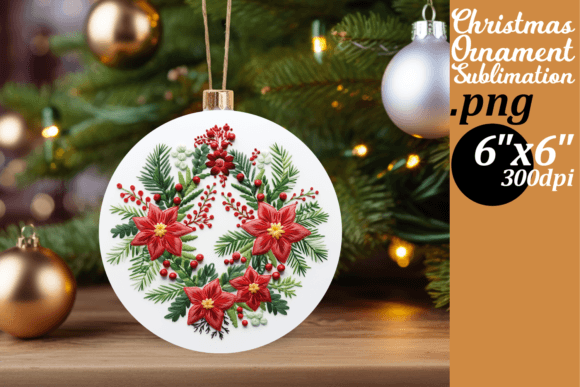
The title Winter Circle Embroidery Elegance immediately suggests a specific aesthetic. It evokes feelings of sophistication, warmth, and timeless style. In the context of crafts and graphics, this design appears to balance modern minimalism with classic charm. For a boutique owner or a creative studio looking to elevate their visual identity, the "elegance" in the name promises a premium feel that can significantly boost perceived product value.
However, the description provided contains a crucial caveat regarding sublimation. As an embroidery specialist, I must clarify that while the file may be versatile, the mention of sublimation software requirements suggests this might be a hybrid asset or requires specific conversion before it can be used as a true machine embroidery design. Before purchasing, any digital embroidery file buyer must ensure they have the requisite software and equipment to bridge the gap between digital graphics and stitch data. If you are planning to create an embroidered patch or apply this to fabric, understanding the technical limitations is the first step toward a successful project.
Real-World Application: From Digital File to Branded Asset
Imagine a local café or a handmade bakery wanting to launch a line of merchandise. They need something that feels cohesive across all touchpoints. Winter Circle Embroidery Elegance could serve as a powerful anchor for this strategy. Here is how it performs in various business scenarios:
- Embroidered Patches: This design shines when converted into a durable patch. Whether sewn onto denim jackets, leather bags, or work shirts, a well-executed patch adds a layer of texture and professionalism that prints cannot match. The circular nature of the design often works exceptionally well for badges worn on aprons or chest pockets.
- Staff Uniforms and Aprons: For service industry businesses, consistency is key. Using this design on chef hats, barista aprons, or uniform caps creates a unified team look. The elegance of the design ensures that employees feel proud to wear the logo, which directly impacts customer trust and engagement.
- Tote Bag Design: A tote bag is a walking billboard. Placing Winter Circle Embroidery Elegance on canvas totes provides a tactile experience for customers. Unlike a flat print, embroidery catches the light and offers durability, making the bag a long-lasting piece of marketing material.
- Cap Embroidery: Curved surfaces like baseball caps present unique challenges. If the design scales correctly, it can become a stylish focal point on the front panel or side of a cap, perfect for event merch or promotional giveaways.
For Etsy sellers and craft business assets, this design can also be used to create branded product labels. Imagine a tag attached to a handmade scarf or a gift box sealed with a small embroidered accent. These details signal to the buyer that the item was created with care, enhancing the handmade product narrative.
Critical Considerations: Where Caution is Required
While the potential is high, an experienced designer knows that not every application is suitable. To ensure your finished product remains professional, there are several areas where Winter Circle Embroidery Elegance needs careful evaluation.
Small Patch Sizes and Cap Fronts: If you intend to scale this design down to a tiny size for a hat button or a small label, you risk losing detail. High stitch density can cause fabric puckering if the design is too complex for the available space. Always test the design at its intended final size before committing to a full production run.
Curved Surfaces and Fabric Texture: Embroidery on curved surfaces, such as the front of a cap, requires precise digitizing to account for the curvature. Similarly, textured fabrics like heavy wool or loose-weave linen can distort fine lines. The design may appear muddy or uneven if the underlying fabric texture interferes with the needle penetration.
Detailed Outlines and Dark Uniforms: If the design features thin outlines or intricate lettering, these elements may disappear on dark uniforms unless a high-density underlay or specific thread colors are used. Ensuring sufficient contrast between the thread colors and the garment is vital for legibility.
Frequent Washing: For items like aprons or work shirts that undergo frequent industrial washing, the stability of the stitches is paramount. Designs with excessive density or poor stabilization can lead to thread breakage or fabric damage over time.
Impact on Brand Identity and Customer Trust
In the competitive landscape of small business merch, visual consistency is everything. A poorly executed logo can undermine a brand's reputation, while a high-quality embroidered element elevates it. Winter Circle Embroidery Elegance, when applied correctly, communicates attention to detail. It tells the customer that the business values quality and invests in its presentation.
This level of craftsmanship fosters brand identity and recognition. When a customer sees a crisp, well-stitched logo on a tote bag or a uniform, it reinforces the perception of reliability. It transforms a simple transaction into a brand experience, encouraging repeat purchases and word-of-mouth referrals. For a florist, pet brand, or creative studio, this design can be the signature element that ties the entire visual ecosystem together.
Practical Notes from the Designer's Desk
Before you proceed with production, here is a checklist of practical steps to ensure success with this design asset:
- Test in Black and White: Convert the design to grayscale to check for clarity. If details vanish in black and white, they will likely struggle with color variations in embroidery.
- Check Stitch Density: Review the file to ensure the stitch count is appropriate for the fabric type. Too many stitches per inch can make the fabric stiff; too few can leave gaps.
- Inspect Spacing and Hoop Size: Confirm that the hoop size accommodates the design without cutting off edges. Ensure there is adequate spacing between elements to prevent thread clashes.
- Use Proper Stabilizer: The choice of stabilizer (cut-away, tear-away, or water-soluble) is critical. It supports the fabric during stitching and prevents distortion after the hoop is removed.
- Create a Printable Mockup: Use a printable mockup to visualize the design on different products before spending money on physical samples. This helps in client approval processes.
- Compare Design Assets: Place this design beside your other branding elements to ensure visual harmony. Does it match the font weight and style of your existing logo?
- Confirm Commercial Licensing: Verify that you have the right to use this commercial embroidery asset for selling merchandise. Some licenses restrict the number of units or the types of products allowed.
Finally, remember that the description advises that a thorough understanding of sublimation is essential and that assistance with the process is limited. If your workflow relies on direct embroidery digitizing, you may need to convert this graphic file appropriately. Always inspect the file thoroughly and confirm all technical specifications before beginning production.
By approaching Winter Circle Embroidery Elegance with these strategic considerations, small business owners can transform a digital graphic into a tangible asset that drives sales, builds loyalty, and showcases their brand with true elegance.