Spider Web Embroidery Design Review
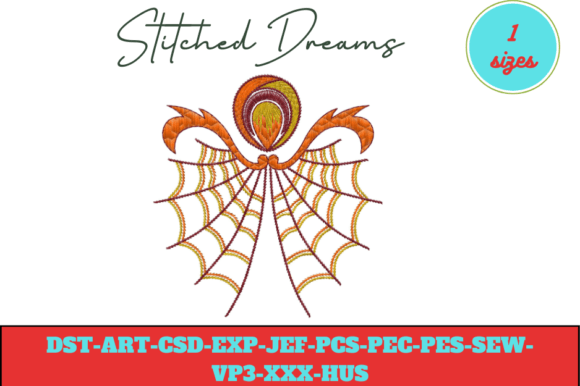
As an embroidery designer who has spent years turning digital concepts into tangible, high-quality merchandise, I approach every new file with a critical eye. It is not enough for a design to simply look good on a screen; it must translate flawlessly onto fabric, withstand the rigors of commercial production, and enhance the brand identity of the small business owner using it. Today, I am reviewing the Spider Web Embroidery Design, a piece described as a captivating blend of cobwebs and intricate motifs that creates a spellbinding and mysterious composition.
This review focuses specifically on how this machine embroidery design performs in real-world applications for small businesses, from Etsy sellers creating branded patches to boutique owners looking for unique accents on custom apparel. We will evaluate its visual personality, practical application, potential pitfalls, and overall value for your small business merch.
First Impressions: Visual Personality and Brand Fit
The description of the Spider Web Embroidery Design highlights "delicately woven cobwebs" and "intricate motifs." From a design perspective, this suggests a piece that leans towards elegance and mystery rather than bold, aggressive graphic impact. When I first visualize this design, I see something that feels premium, rustic, and slightly magical. It does not scream for attention like a loud logo might; instead, it invites closer inspection.
This aesthetic is incredibly versatile for specific niches. For a coffee shop with a gothic or vintage theme, this design could serve as a sophisticated accent. For a florist or botanical brand, the organic lines of the web mimic natural structures, offering a subtle nod to nature without being literal. The "spellbinding" quality mentioned in the product title implies that the design has a certain allure, which can be a powerful tool for brand identity. It suggests craftsmanship and attention to detail, traits that customers associate with higher-value handmade products.
However, the term "intricate" is a double-edged sword. While it promises beauty, it also demands careful execution. In the world of embroidery files, intricacy often correlates with stitch density and the need for precise hooping. If the delicate nature of the cobwebs is lost in translation, the design can appear muddy or cluttered. Therefore, the success of this digital embroidery file hinges entirely on the technical execution during the digitizing process.
Real-World Applications for Small Businesses
Where does this embroidered patch or direct-to-garment design truly shine? Based on its mysterious and intricate nature, I recommend considering several strategic placements for various business types.
- Branded Patches: This design is an excellent candidate for iron-on or sew-on patches. Imagine a boutique selling leather goods adding a small, delicate spider web motif to the back of a belt loop or the flap of a wallet. It adds a hidden detail that customers appreciate, fostering a sense of exclusivity.
- Apron Embroidery: For bakeries, cafes, or craft studios, aprons are uniform essentials. Placing the spider web embroidery design subtly on the chest pocket or near the hemline can elevate a standard work shirt into a branded asset. It works particularly well for businesses that want to convey a handmade, artisanal vibe.
- Tote Bag Design: Canvas tote bags are a staple for Etsy branding and event merch. A single, elegant cobweb motif placed off-center on a canvas bag looks modern and artistic. It transforms a basic accessory into a statement piece that aligns with a creative studio’s aesthetic.
- Cap Embroidery: While cap fronts are typically reserved for logos, the back panel or the strap of a cap offers a perfect canvas for this design. It provides a subtle touch of personality for staff uniforms without overwhelming the wearer.
- Product Packaging Accents: Beyond apparel, this design can be embroidered onto fabric tags used for product packaging. For a pet brand or a candle maker, a small woven label featuring these intricate motifs adds a layer of tactile luxury to the unboxing experience.
In each of these scenarios, the finished product benefits from the design’s ability to suggest depth and texture. It engages the customer visually and emotionally, encouraging them to touch and examine the item more closely.
Technical Considerations and Where to Use Caution
As a professional, I must highlight areas where this design requires careful handling. The "intricate motifs" and "delicate weaving" mentioned in the description pose specific challenges for production.
Small Patch Sizes: One of the biggest risks with intricate designs is scaling them down too far. If you attempt to embroider this design on a very small patch (under 2 inches), the fine details may merge together, resulting in a blob of thread rather than distinct cobwebs. Always test the design at its intended final size before committing to bulk production.
Stitch Density and Fabric Texture: High stitch density can make fabric stiff and bulky. If you are working with delicate fabrics or lightweight materials, ensure that the digitizer has balanced the stitch count appropriately. Furthermore, on textured fabrics like heavy denim or rough canvas, the fine lines of the web might get lost. Smooth cotton or polyester blends will yield the crispest results.
Curved Surfaces: Applying this design to curved surfaces like the front of a baseball cap or a rounded hat brim can distort the symmetry of the web. Digitizing for caps requires special techniques to compensate for curvature. If you are inexperienced in cap embroidery, consider placing this design on flat panels like tote bags or aprons first.
Detailed Outlines and Contrast: To maintain the "mysterious" and "elegant" feel, contrast is key. Embroidering light-colored threads on dark uniforms can sometimes result in poor visibility if the underlay is not sufficient. Conversely, dark threads on black fabric will disappear. You must inspect thread colors carefully to ensure the design pops against the base material.
Impact on Brand Identity and Customer Trust
Using a high-quality commercial embroidery design like this one directly impacts how customers perceive your brand. Inconsistency in embroidery quality is a major turn-off for buyers. By choosing a well-digitized file and testing it thoroughly, you signal professionalism and reliability.
The Spider Web Embroidery Design, when executed correctly, enhances visual consistency across your product line. Whether it appears on a cap, a tote, or a patch, the recurring motif creates a cohesive brand language. This repetition builds recognition and trust. Customers begin to associate the intricate, spellbinding aesthetic with the quality of your products.
Moreover, the "handmade" presentation afforded by embroidery adds perceived value. Unlike printed graphics, which can crack or fade, embroidered designs have texture and durability. This longevity reinforces the idea that your small business merch is built to last, justifying a higher price point and encouraging repeat purchases.
Practical Designer Notes for Production
Before you upload this embroidery file to your machine, follow these essential steps to ensure success:
- Test in Black and White: First, run a test stitch-out in a single color. This allows you to check the spacing, layout, and overall shape without the distraction of color choices. It helps identify any weak points in the digitization.
- Check Hoop Size: Confirm that the design fits within your available hoop dimensions. If the design is larger than your hoop, you will need to rehoop, which can introduce alignment errors.
- Select Proper Stabilizer: The choice of stabilizer is crucial for maintaining the integrity of delicate webs. A tear-away or cut-away stabilizer should be chosen based on the fabric type to prevent puckering or distortion.
- Review Thread Color Contrast: Choose threads that offer sufficient contrast against your fabric. Test different color combinations to find the one that best highlights the intricate details.
- Create a Printable Mockup: Before cutting fabric, use the digital file to create a printable mockup. This helps you visualize the design on the actual product and allows for client approval if you are working on custom orders.
- Confirm Commercial Licensing: Ensure that you have the appropriate license to use this design assets for commercial purposes. Selling items embroidered with this design requires clear rights to avoid legal issues.
By treating the Spider Web Embroidery Design with the respect and technical care it deserves, you can transform a simple digital file into a powerful branding tool. It offers a unique blend of mystery and elegance that, when applied to the right products, can significantly elevate your custom apparel and product labels. Remember, the difference between a mediocre embroidered item and a premium one lies in the preparation and precision of the production process.