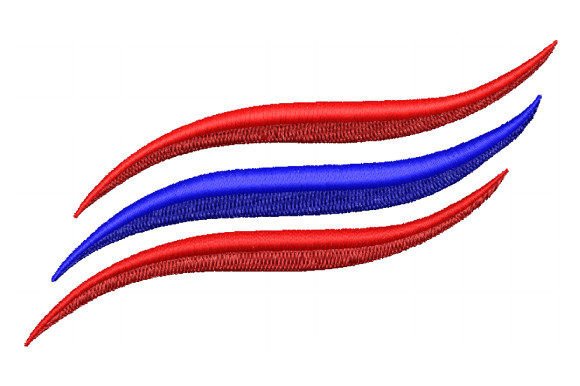
Thai National Movement Embroidery: A Designer's Review
Stepping into a weekend craft fair booth, I know that the first three seconds determine whether a customer stops to look or walks past. As an experienced embroidery designer who has spent years curating designs for handmade markets, I recently reviewed Thai National Movement Embroidery with one goal in mind: can this design drive sales on a crowded table? The description promises versatility, mentioning t-shirts, pillows, bags, hats, aprons, and handkerchiefs. But does it hold up when translated from a digital file to a physical product that needs to stand out?
My initial impression of Thai National Movement Embroidery is one of bold patriotism mixed with modern simplicity. It feels less like a rustic farmhouse piece and more like a premium statement design. The concept of the Thai flag suggests strong visual contrast, which is excellent for catching the eye of passersby. In the world of craft fair products, items that communicate identity quickly tend to sell better than abstract patterns. This design sits comfortably in the "modern" and "festive" categories, making it perfect for cultural celebrations, travel-themed booths, or simply as a unique addition to a boutique maker's inventory.
Product Performance Across Key Categories
When evaluating where Thai National Movement Embroidery will shine, I immediately think about the specific textures and surfaces we use at trade shows. Let's break down its performance on the most popular handmade product types.
Tote Bags and Market Bags: This is the crown jewel category for this design. A canvas tote bag provides a large, flat surface that allows the flag motif to breathe. When customers pick up a bag with Thai National Movement Embroidery, they are not just buying a container; they are buying a piece of art. The design works exceptionally well here because it acts as a focal point rather than a small accent. For an Etsy seller or a booth owner, these bags often become the hero item of the display.
Aprons and Tea Towels: Kitchen textiles are high-volume sellers. Applying this design to a white or cream-colored tea towel creates a striking contrast that photographs beautifully for online listings. However, on an apron, placement is key. Centering the design on the bib of the apron makes it a conversation starter while cooking. It elevates a standard kitchen tool into a decorative gift item.
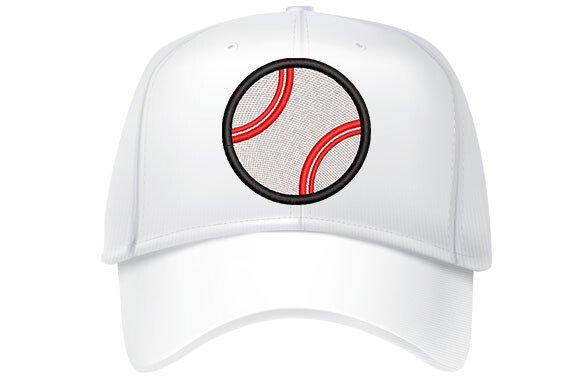
Hats and Caps: Curved surfaces present a challenge for many embroidery files. If the design includes fine details, the curve of a cap might distort the lines slightly. However, if the stitch density is appropriate, a smaller version of Thai National Movement Embroidery on the front of a baseball cap looks professional and sharp. It appeals to travelers and those who want to show their heritage subtly.
Patches and Small Pouches: For quick, low-cost items, this design translates well to embroidered patches. A patch featuring the flag can be sold as a standalone accessory or attached to denim jackets and backpacks. Similarly, small fabric pouches work well, provided the design is scaled correctly so it doesn't look cramped.
Visual Appeal and Customer Attention
In a sea of generic floral patterns and simple monograms, Thai National Movement Embroidery demands attention. The colors inherent in the flag design—red, white, and blue—are vibrant and naturally draw the human eye. This boosts the perceived value of the finished product. Customers associate high-quality stitching with higher prices, and a crisp execution of a national symbol often implies a level of care and precision.
For booth displays, this design offers strength. Imagine a row of tote bags hanging on a rack, each displaying the same bold emblem. It creates a unified brand look that signals consistency. When buyers see a cohesive collection, they are more likely to trust the quality of the shop. Furthermore, the design is highly photogenic. For digital sellers creating printable mockups or taking photos for social media, the clean lines of the flag ensure that the image remains clear even on a smartphone screen.
Production Realities and Practical Selling Notes
While the potential is high, every machine embroidery design comes with technical requirements that must be met before hitting the production line. As a designer reviewing this for commercial use, I have several critical notes regarding production.
Stitch Density and Detail: The description mentions using the file for various items, but it does not specify the stitch count or detail level. Designs with dense areas can sometimes struggle on textured fabrics like thick towels or burlap. If the design relies on tiny lettering or very thin lines, it may lose clarity when stitched on a curved hat or a small handkerchief. I strongly advise testing the design on scrap fabric first to ensure the details remain sharp.
Fabric Texture and Color: Thread contrast is vital. On dark fabrics, the light threads of the flag might get lost unless a high-density underlay is used. Conversely, on white fabric, the red and blue threads pop, but you must ensure the thread quality is high enough to resist fading after washing. Always inspect the stitch density to prevent puckering, especially on lightweight materials like handkerchiefs.
Hoop Size and Stabilizer: You must confirm the recommended hoop size for this file. Using a hoop that is too small for a large design can lead to distortion, while a hoop that is too large can make the process difficult on bulky items like pillows. Selecting the right stabilizer is equally important. For heavy items like aprons, a cut-away stabilizer provides the necessary support to keep the design flat and durable.
Commercial Licensing and Business Strategy
Before listing this as a commercial embroidery product, verify the licensing terms. Many digital assets come with restrictions on how many units you can produce. Ensure you have the rights to sell finished goods made with Thai National Movement Embroidery.
For small shop owners and creative entrepreneurs, batch production is the key to profitability. Since this design is versatile, you can create a collection: a matching set of a tote bag, a tea towel, and a cap. This strategy increases the average order value. However, do not rush. Create at least one real mockup to test the workflow. Does the design repeat well? Is the color palette consistent across different thread brands?
If you are a digital seller offering the file itself, provide clear instructions on thread colors and fabric recommendations. Buyers appreciate guidance that ensures their small shop product turns out looking professional.
Final Verdict for the Craft Fair Booth
Thai National Movement Embroidery is a strong contender for any booth focused on handmade gifts, travel accessories, or cultural appreciation. It balances the emotional connection of a national symbol with the practical utility of everyday items. Whether you are selling tote bag designs or apron embroidery, this file offers a premium feel that justifies a higher price point.
To succeed, focus on quality over quantity. Use high-quality thread, choose fabrics that complement the flag colors, and ensure your stitching is precise. By paying attention to the technical details like stabilizer selection and fabric texture, you can transform a simple digital file into a best-selling craft fair product. Remember, the goal is to create a design asset that not only looks good in person but also builds a reputation for excellence in your handmade brand.
Whether you are a seasoned veteran or a new Etsy seller, integrating Thai National Movement Embroidery into your catalog can add a unique flavor to your offerings. Just remember to test, refine, and present your work with confidence. When the customer sees the craftsmanship firsthand, they will understand the value behind the needle and thread.